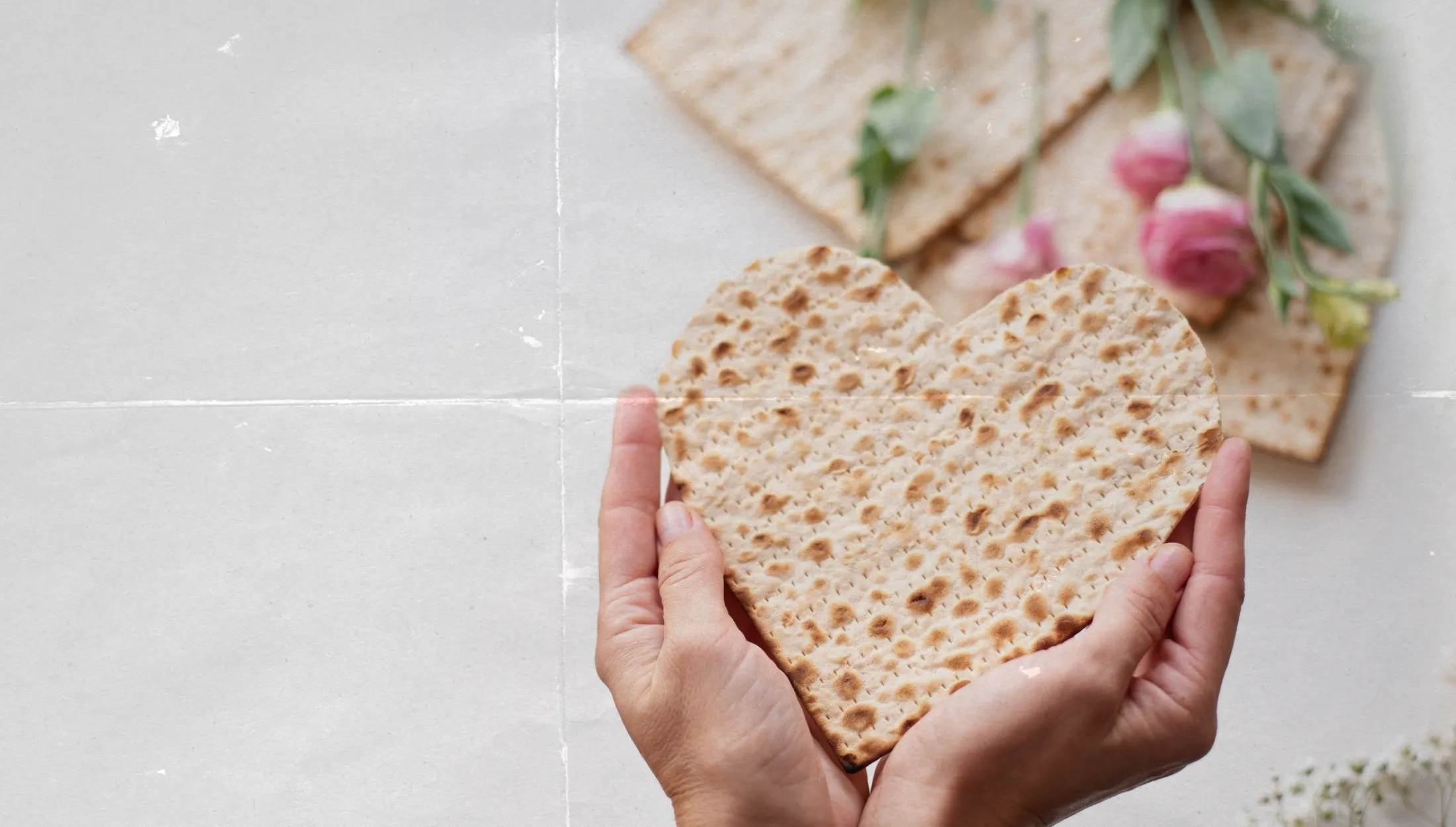
Moments, Memories, and Meaning: A Passover Reflection
Dear friends,
As we approach Passover this year, I find myself thinking about time — not in years or milestones, but in moments.
In recent weeks, following the passing of my mother (z”l), I’ve had the opportunity to pause in a way that life rarely allows. And what has become most clear is something both simple (perhaps cliché?) and profound: A life of meaning is built not only in the extraordinary moments, but in the ordinary ones we so often overlook.
We tend to mark a life through its peaks: celebrations, milestones, the moments we photograph and remember. And those matter deeply. But alongside them live quieter memories: the way someone moved through a room, the way they prepared a meal, the small, repeated gestures and behaviors that shape the texture of a personality. It turns out that these “small” moments are often where meaning comes to life.
Judaism, in its wisdom, seems to understand this better than almost anything else I know. And Passover offers us a powerful model for how meaning is built across time.
We begin with the Seder, a peak experience. It is immersive, demanding, filled with story, ritual, and connection. It creates memory. It roots us in something larger than ourselves.
But Judaism does not stop there. We move next into the counting of the Omer, a daily, intentional practice of counting the days between Passover and Shavuot, between Egypt and Sinai, between liberation and commitment. Not grand, not elaborate. Just a small act, repeated each day, marking time and inviting reflection as we move through seven weeks.
And beyond that, we are asked to remember the Exodus every single day, woven into our most basic rhythm of the Shema in the morning and evening prayer.
Peak experience. Focused practice. Ongoing ritual.
This is a kind of “technology of meaning,” a way of ensuring that what matters most does not live only in extraordinary moments, but becomes part of how we live every day.
The same is true in our own lives. Meaning is found in the big moments we prepare for and celebrate. But it is also found in the accumulation of attention — in how we show up in the mundane, the repeated, the ordinary. Where we place our attention shapes what becomes meaningful.
And attention itself is increasingly rare. To truly focus on another person. To do something with care and intention. To resist the pull of distraction and instead be fully present in a moment — these are not small acts. They are acts that create depth, connection, and ultimately, memory.
We carry more into each moment than is visible. Each person we encounter — at our tables, in our workplaces, in our communities — has their own unseen story, their own challenges, their own sources of strength. Recognizing this does not lower expectations; it deepens how we meet one another. It allows us to hold both humanity and excellence at the same time.
This feels especially important in the context of our work in the Jewish community. We spend so much of our lives at work, working alongside others toward shared goals. If that time is how we spend our lives, then it, too, should be a place of meaning.
Not because work replaces family or personal life — it doesn’t. But because we can create environments where people are seen, supported, and challenged to do work that matters. Where relationships are valued. Where excellence is pursued not at the expense of humanity, but alongside it, in the spirit of moving an important mission forward, together.
These are not competing ideas. They are reinforcing ones.
Passover reminds us that transformation — of individuals, of communities, of entire systems — does not necessarily happen in a single moment, even a powerful one. It happens across time, through repeated acts, shared stories, and sustained attention. It happens in how we live between the milestones.
This is a complicated moment for many of us — personally, communally, and globally. And yet, this is also our time: the days we are given, the moments we are living right now.
My hope this Passover is that we allow ourselves to notice them. To be present for the people in front of us. To bring intention to the ordinary. To find meaning not only in the peaks, but in the seemingly mundane practices that fill our days.
May this season invite all of us to connect more deeply: to our traditions, to one another, and to the moments that make up our lives. And may we, in doing so, continue to build lives — and a world — of meaning.
Chag sameach,
Gali

Gali Cooks
President & CEO
Leading Edge
About the Author
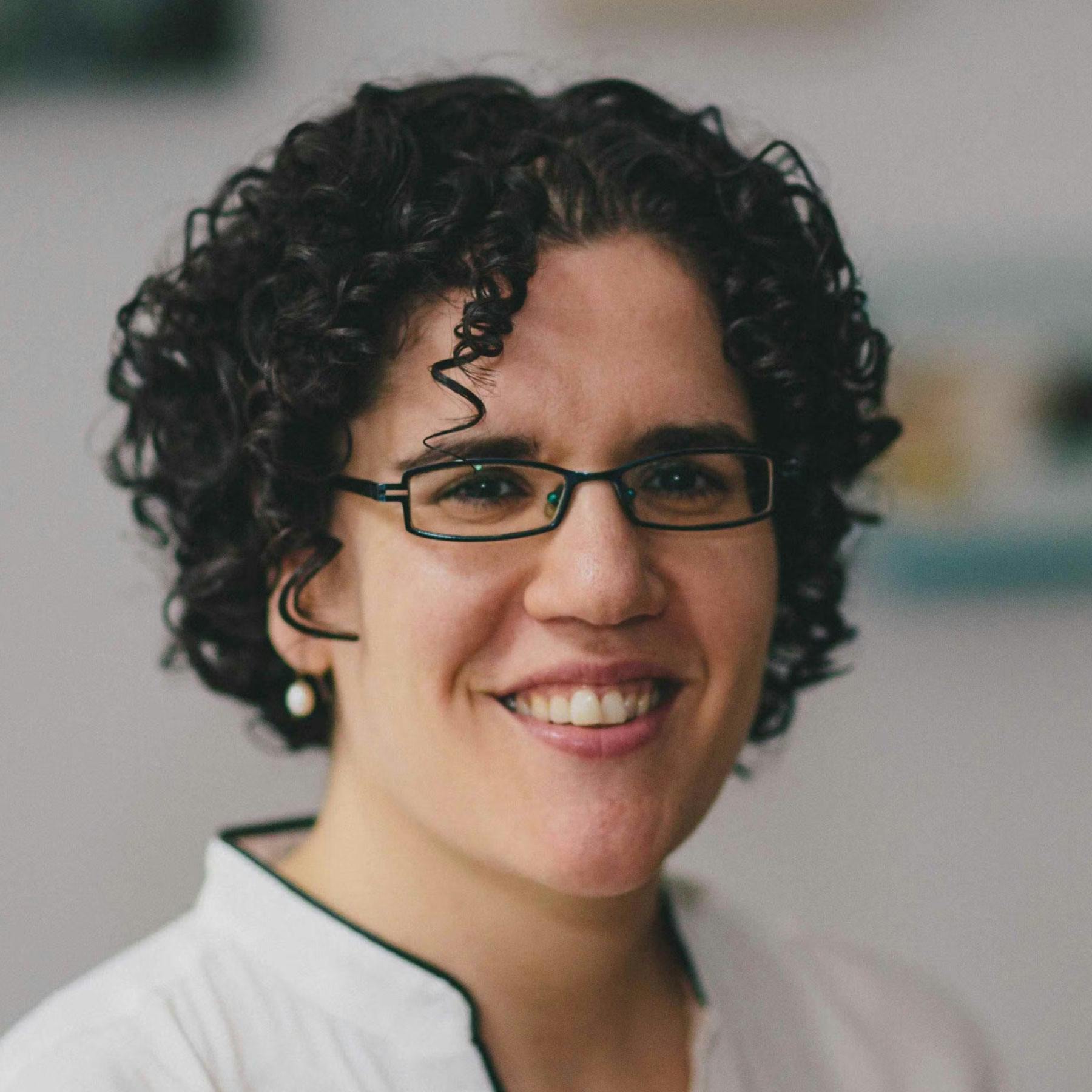
Gali Cooks is the President & CEO of Leading Edge.
Loading footer...