Team Culture Reflection Questions for Tisha B’Av
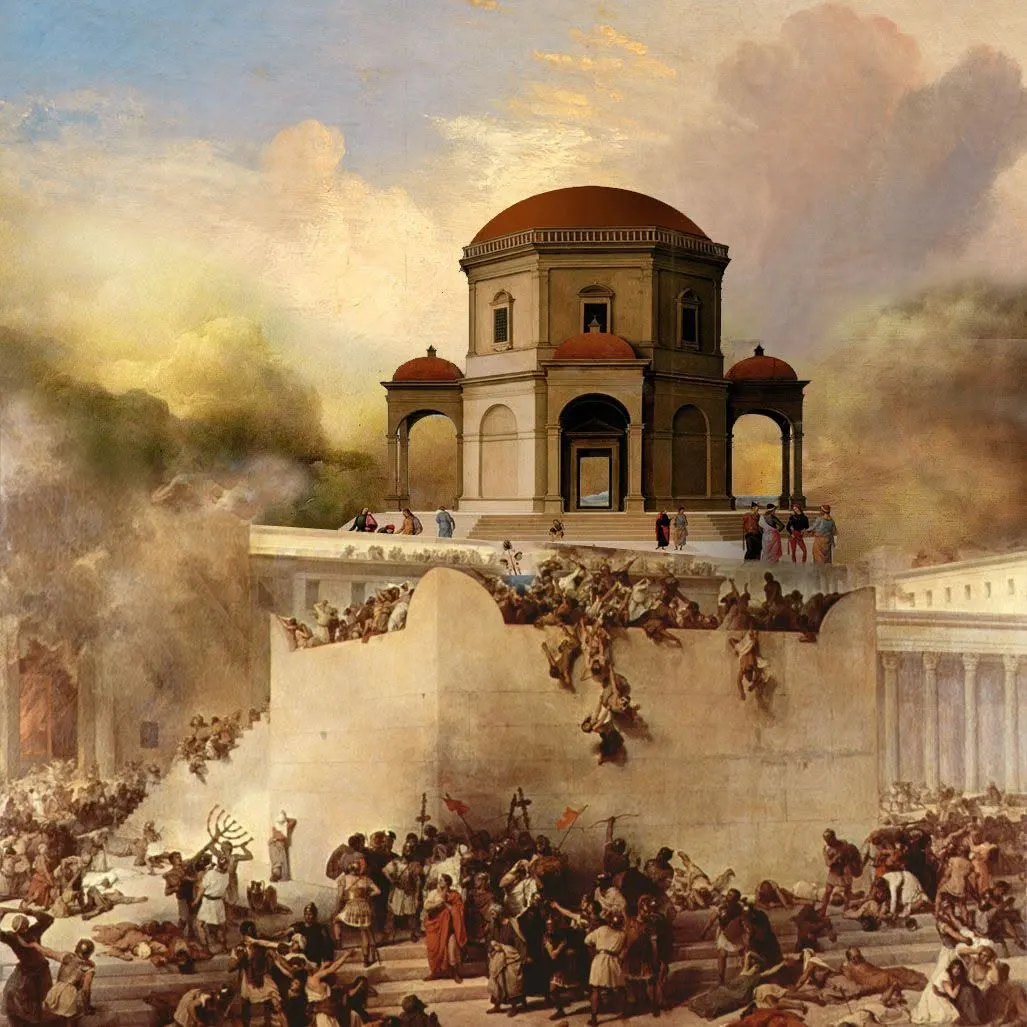
This Thursday is Tisha B’Av, the most mournful and reflective day of the Jewish calendar. It commemorates the destruction of the two ancient Temples in Jerusalem, as well as many other historical massacres and tragedies from Jewish history. Themes of the day include reflection on our personal and communal failures, warnings about the dangers of baseless hatred and infighting, and recommitment to treating one another with respect.
While some Jews and Jewish organizations may refrain from a normal workday, in deference to traditional observances of the day like fasting and reciting lamentations in synagogue, Tisha B’Av does not have traditional requirements of refraining from writing, electricity, or other creative labor, and many Jewish organizations (including Leading Edge) will remain open.
For teams or individuals interested in connecting Tisha B’Av with the vital work of building effective team cultures, here are five reflection questions. Use them for a Tisha B’Av meeting ice-breaker, for breakout group discussions, or just a moment of individual introspection.
- The Talmud tells a story of Kamtza and Bar Kamtza, in which a host publicly humiliated an unwanted guest while honored rabbis in the room said nothing. Their silence, the story implies, helped set the destruction in motion. What could we do at our organization to support psychological safety, so that people know they can speak up when something is going wrong?
- The Kamtza and Bar Kamtza conflict began with a misdelivered invitation, a small communications error that spiraled into conflict and, ultimately, disaster. On a team, internal communications should be transparent and multi-directional, with information shared consistently. What structures or habits could improve the clarity of our communications and project management?
- Tisha B’Av insists that loss deserves attention. Teams experience losses too: colleagues who leave, programs that end, plans that fall through. What have we lost this year as a team? Are there practices or rituals we could use to honor or acknowledge it?
- The prophet Jeremiah spent years delivering warnings that authorities didn’t want to hear. What systems do we have on our team, or what systems could we create, to ensure continuous, two-way feedback and genuine staff voice, with staff at all levels feeling ownership, trust, and safety to share unpopular ideas?
- Destruction was not the end of the Jewish story. After the Temple fell, Jewish leaders rebuilt Jewish life in new forms, in new places, with new practices. When our team faces setbacks or failures, how can we respond with the right mix of reflection and resilience, and foster future risk-taking with both appropriate guardrails and a spirit of experimentation?
However your team spends this Tisha B’Av, we hope the day offers a chance to reflect on how we show up with and for one another.
About the Author

Leading Edge raises the standard for talent, culture, and leadership across the Jewish nonprofit sector. We work with professionals, executives, and board leaders to build stronger organizations and drive their missions forward.



Loading footer...